Wrestling has one of the tightest turnarounds on the California CIF calendar. Most sections open practice in early-to-mid November, and by the time the first tournament brackets are posted, there's no room for a rush job on 20-plus singlets across every weight class. Custom wrestling gear runs 6 to 10 weeks from approved artwork to delivery — which means late August, right now, is the actual order window for a November season, not October. Here's what a program needs to know before placing that order.
Why August is the real order deadline for a November season
It's easy to treat wrestling as a winter problem to solve in the fall, but the lead time doesn't leave that much runway. Central Coast Section, for example, has set its 2026 wrestling scrimmage date for November 16 and its first matches for November 23 — and other CIF sections run on similar windows. Work backward from a mid-November scrimmage and a 6-to-10-week production timeline lands the order deadline squarely in late August to mid-September. Wait until football and fall sports wrap up to think about wrestling, and a program is already into rush-fee territory or a compromised design.
Quick take: confirm your own section's scrimmage and match dates — they vary — but treat late August/September as the safe window for a full singlet order, not October.
The singlet rule most programs get wrong
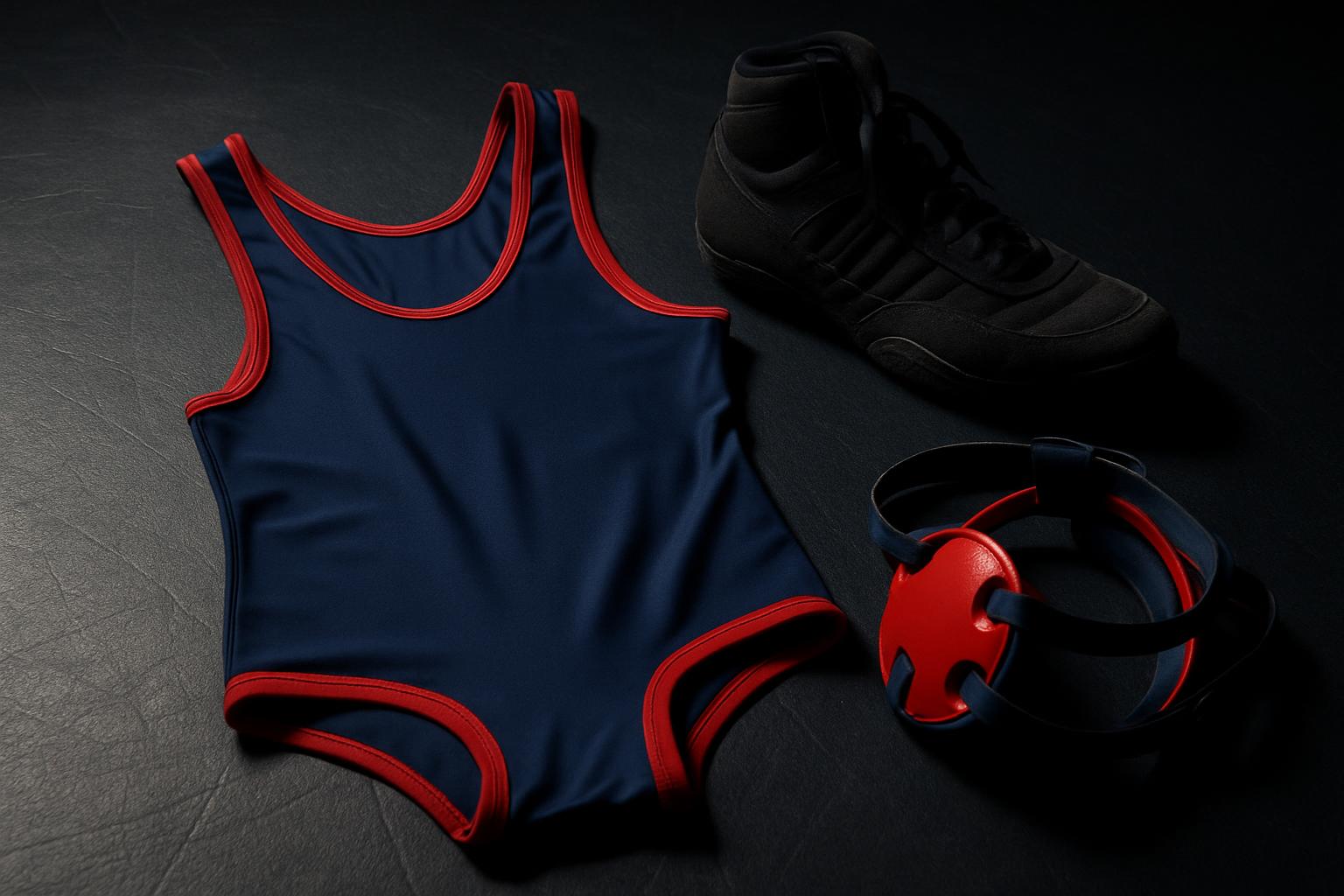
NFHS wrestling rules don't leave the cut of a singlet up to the manufacturer's default template. A legal singlet must be cut no lower than the armpit level in both the front and back, and fit snugly under the arms to at least halfway between the armpit and the belt line — loose or low-cut "fashion" cuts that look sharp on a hanger can fail that check on the mat. A tight-fitting undershirt in a single solid color with one manufacturer logo is allowed underneath if a program wants extra coverage. Confirm the current wording with your section before finalizing artwork, since rule language is revisited periodically.
One-piece or tights-and-trunks?
Programs have two legal options, and it's a real design decision, not just a style preference:
- One-piece singlet — the traditional cut, with a minimum 4-inch inseam and a hem that sits above the knee. Most California programs still default to this option.
- Full-length tights with close-fitting trunks — a two-piece option some programs prefer for added coverage or a different fit through the hips and legs.
Either way, the uniform must be school-issued — this isn't a bring-your-own-gear sport. Whichever cut a program chooses, keep the artwork consistent across the whole roster so weigh-ins and bracket photos read as one team, not a mix of hand-me-downs and new stock.
What's required beyond the singlet
A wrestling order is bigger than the singlet alone. NFHS rules also require:
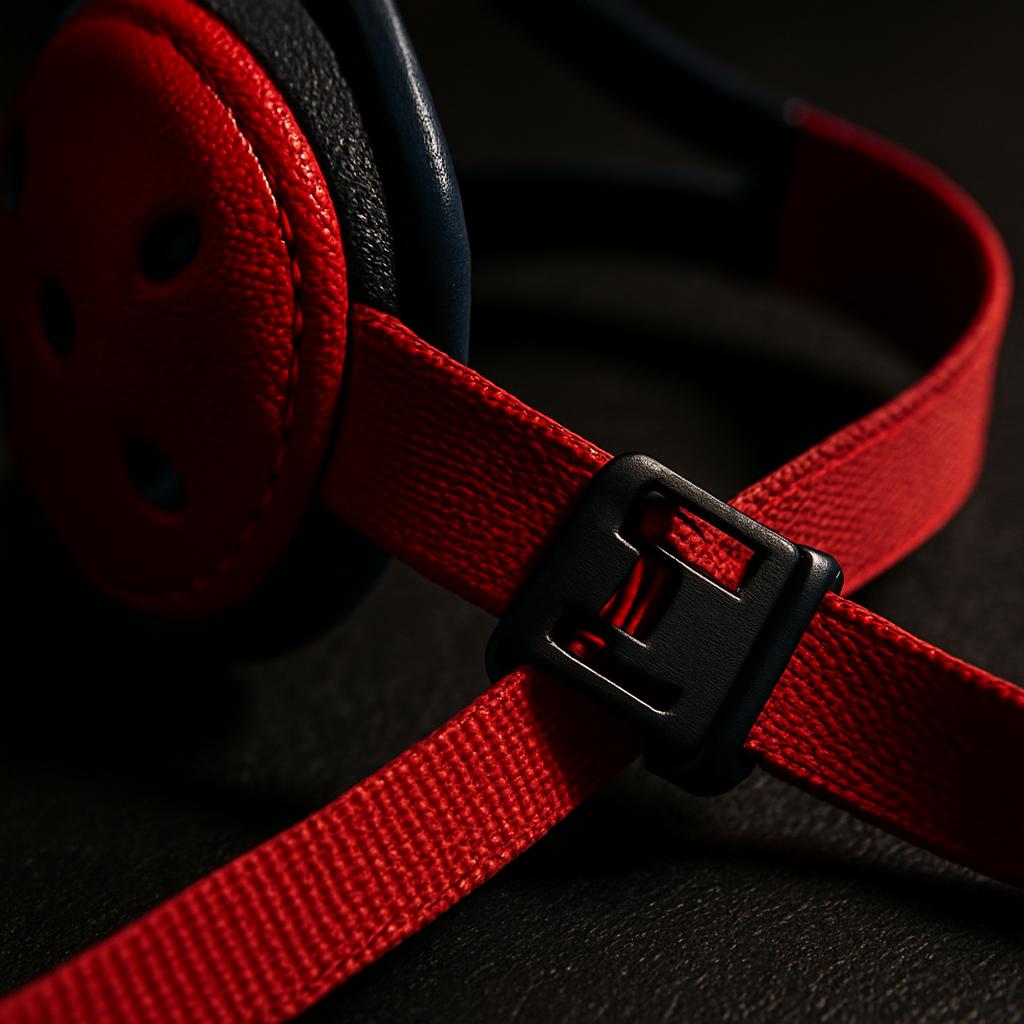
- Ear guards built specifically for wrestling — rigid and padded, with an adjustable locking device so they can't come off or rotate mid-match.
- Wrestling shoes — light, heelless, rising above the ankle, with laces secured so they can't come undone during a match.
- Logo limits and trim: manufacturer branding is capped at roughly 2.25 square inches, and a small American flag or a state-approved commemorative patch may be added within size limits.
Rules also address how officials tell two similarly colored wrestlers apart at the whistle — the referee uses a colored ankle band when singlet colors are too close to call, which is exactly why sharp, high-contrast home and away colorways still matter for road duals even without a strict color mandate. Confirm current specifics — including any patch or flag allowances — with your section before you order, since state-by-state adoption varies.
Sizing a roster by weight class, not by shirt size
Wrestling sizing doesn't work like a football or basketball roster where you're filling out a standard S–3XL spread. A varsity-plus-JV wrestling roster spans from a 106-pound lightweight to a 285-pound heavyweight, often on the same 20-to-30-person roster, which means:
- Run individual measurements rather than assigning by grade or age — body types vary enormously across weight classes even at the same height.
- Order a few extra singlets in the lightest and heaviest sizes for late roster moves, since wrestlers can shift weight classes during the season.
- Budget separately for practice gear — fight shorts, rash guards, and warm-ups — which take more day-to-day wear than the competition singlet.
Our team uniform sizing hub has size charts and a measuring guide, and the sport-by-sport equipment checklists help confirm singlets, ear guards, shoes, and practice gear are all accounted for before the first weigh-in.
Brands built for the mat
NSA's wrestling catalog carries Adidas and Under Armour singlets alongside wrestling-specific brands like Cliff Keen and ASICS, so a program can compare a mainstream athletic brand's custom template library against a mat-specialist's fit and durability — and quote non-branded options for JV or a tight booster budget without giving up the singlet-cut requirements above.
Working with a team dealer
Wrestling's short runway is the whole challenge: a program that waits for football season to end before thinking about singlets is often already past the safe production window for November duals. An independent team dealer who tracks your section's real scrimmage dates can flag that deadline before it passes, build a roster order around actual weight classes instead of standard sizing, and make sure ear guards and shoes aren't an afterthought. At National Sports Apparel we've outfitted California high school, club, and college programs since 2009 — with no order minimums, so a 20-wrestler program gets the same attention as a 50-player football roster.