Baseball has more moving pieces in its uniform rulebook than most sports on our site — a numbering rule, a pitcher-specific sleeve restriction, and a logo cap that catches programs planning a bold new design. None of it is complicated once you know it, but first-time buyers routinely find out the hard way, mid-order or mid-season. Here's how California high school, club, and college programs actually plan a baseball uniform order.
The NFHS numbering rule
Every player needs a number on the back of the jersey in plain Arabic-style digits at least 8 inches high, in a solid color that contrasts with the shirt — no two players on the same roster can share a number, and a border up to 1/4 inch wide is allowed around each digit. It's a straightforward rule, but it's an easy one to blow on a custom sublimated design: a number rendered in an outlined or script font, or one sized to fit a tight jersey layout, can end up out of spec. Confirm the current rule with your section before you lock a final design, especially if you're going for a stylized number treatment.
The pitcher sleeve rule most buyers miss
This is the one that trips up programs who've never had to think about it: under NFHS rules, a pitcher's exposed undershirt sleeves can't be white or gray, and if a pitcher wears a compression sleeve below the elbow, it has to be a solid black or other solid dark color — no distracting patterns on the hands, wrists, or arms. The rule exists so a batter can pick up the ball out of the pitcher's hand without a light-colored sleeve or a busy pattern camouflaging the release.
Position players aren't bound by the same restriction, but most programs that rotate several players through the mound just order the whole roster's undershirts and compression sleeves to the pitcher-legal standard — solid, dark colors only — so nobody gets caught wearing the wrong sleeve on the day they're called on to pitch.
Quick take: keep the number size/contrast and pitcher-sleeve-color rules in mind at the design stage, not after the order ships — both are easy to fix on paper and expensive to fix after production. Confirm the current-season rule with your section.
Logos, flags, and memorial patches
NFHS uniform rules cap a single manufacturer's logo at 2¼ square inches per item — worth knowing if a design idea leans on an oversized brand mark. A 2" × 3" American flag is allowed on each uniform piece, and with state approval, teams can add a commemorative or memorial patch up to 4 square inches uniformly across the roster — a request we see often for a graduated senior, a coach, or a program alum. Build these into the design conversation early since patch placement affects the whole jersey layout, not just one panel.
Jersey construction and decoration
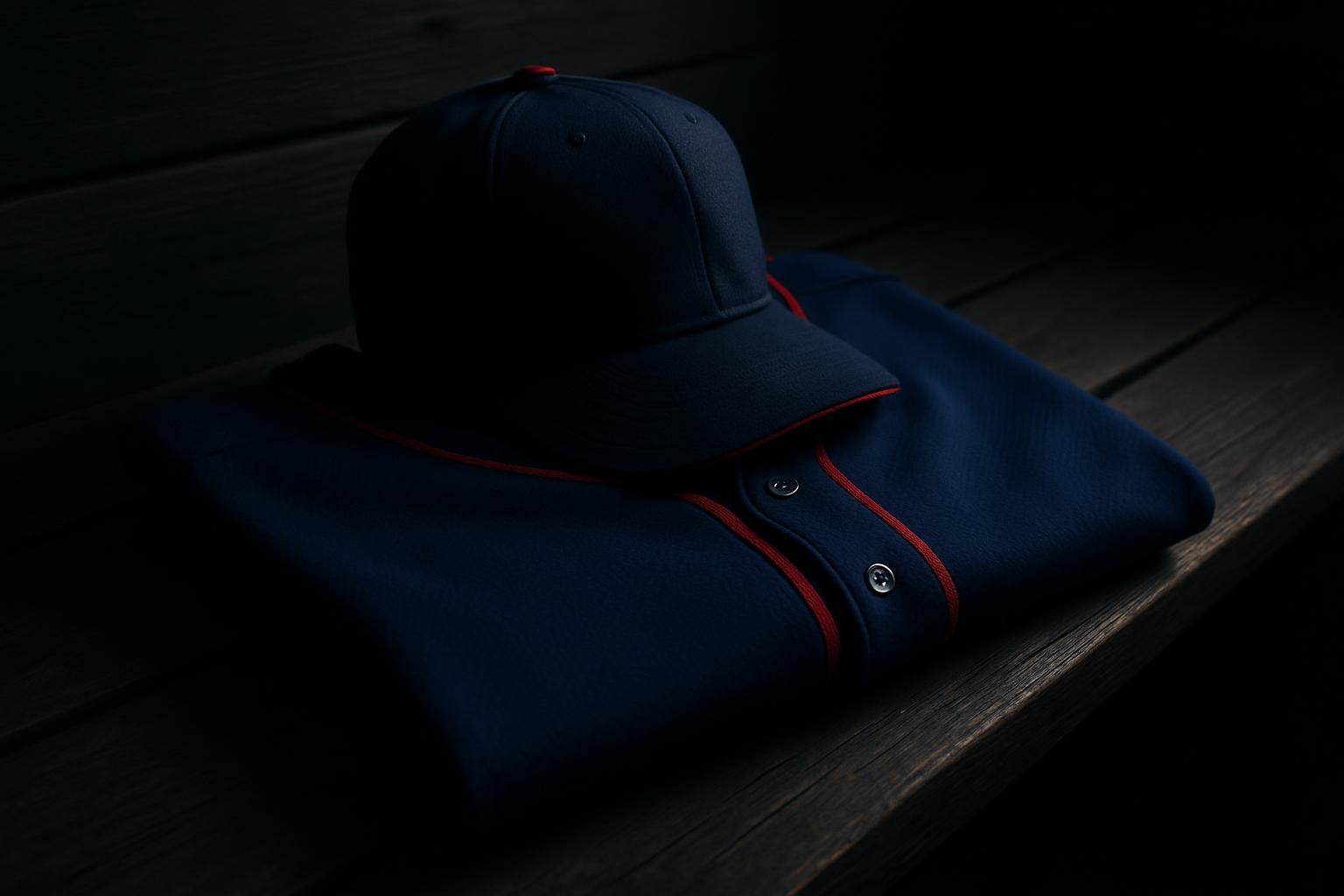
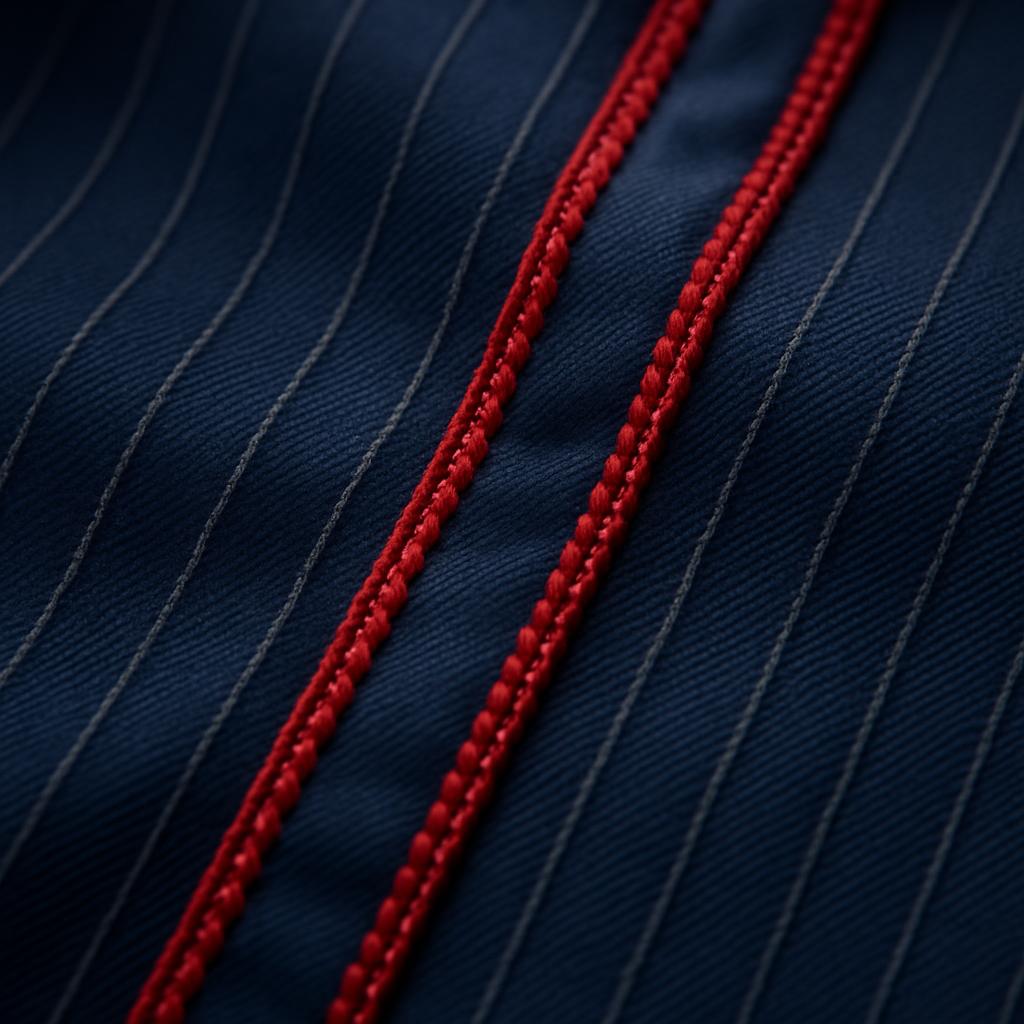
Baseball jerseys generally come in three cuts: a traditional full-button jersey (the classic look, favored by varsity programs that want a throwback feel), a two-button placket pullover, or a full pullover with no buttons at all, which tends to run the lowest cost and holds up well for a JV or freshman roster that goes through more wear per season. Pinstriping, piping, and number placement all read differently depending on the cut, so it's worth deciding construction before finalizing artwork.
For the decoration method itself — sublimated print versus tackle-twill-style stitched lettering — the tradeoffs are the same durability, design-freedom, and price factors we cover in our sublimated vs. tackle twill comparison; most baseball programs land on sublimation for the pinstripe and piping detail it makes possible.
Sizing across three roster levels
Most California programs are running varsity, JV, and often a freshman team at once — three rosters, three fit profiles, and a season that runs February through May or June, long enough for younger players to grow into a bigger size mid-season. A few things that keep sizing clean:
- Measure each level separately rather than assuming a freshman roster scales down proportionally from varsity — builds vary more than age alone predicts.
- Order pants a size roomier than the jersey fit, since baseball pants (piped or plain) see far more stress and stretch through sliding and fielding than a football or basketball uniform.
- Hold a small sizing buffer for call-ups between levels and late roster additions once tryouts wrap.
Our team uniform sizing hub has size charts and a measuring guide, and the sport-by-sport equipment checklists help confirm caps, belts, and undershirts are on the order alongside the jersey and pants.
Brands and the baseball catalog
Our baseball catalog anchors on Rawlings, a brand built specifically for the diamond, alongside Adidas and Under Armour uniform lines and Richardson caps for the classic dugout look. Non-branded options run a lower cost per player for a JV or freshman order without giving up fit or durability. Because we carry all of these side by side, we can quote branded and non-branded together against your actual roster and budget.
The ordering calendar
Many CIF sections open baseball with first contests in early-to-mid February — CIF Southern Section's published 2026-27 calendar lists a February 8, 2027 season opener, for example — with practice and preseason conditioning starting weeks earlier. Custom baseball uniforms run 6 to 10 weeks from approved art to delivery, and production calendars back up heading into the holidays, so an order placed in October or November lands well ahead of the season instead of racing a December production queue. Confirm your own section's exact practice, acclimatization, and first-contest dates before you set a final order date — they vary by section and can shift year to year.
| Milestone | Typical timing | What it means for ordering |
|---|---|---|
| Fall workouts / conditioning | Sept–Nov | Good window to finalize design and place the order |
| Preseason practice opens | Dec–Jan (section-dependent) | Uniforms should be delivered by now |
| First contests | Early–mid Feb (many sections) | Rush orders get expensive and risky here |
Working with a team dealer
Baseball's rulebook has more small print than most sports we outfit — numbering, the pitcher sleeve rule, logo and patch limits — and a dealer who already knows where first-time buyers trip up can flag those before the design is locked, not after production starts. At National Sports Apparel we've outfitted California high school, club, and college baseball programs since 2009, with no order minimums across varsity, JV, and freshman rosters alike.