Track and field is the sport where one uniform order has to fit a 5-foot distance runner, a sprinter, a jumper, and a 6-foot-4 thrower — and where every relay leg has to match. That makes the quote harder to predict than a team-sport jersey order. With CIF Southern Section's published calendar putting the first track contest in late February, October and November are when California athletic directors and booster treasurers lock the spring budget. This guide gives you planning ranges, the levers that move the number, and the costs that get missed.
The short answer: typical ranges
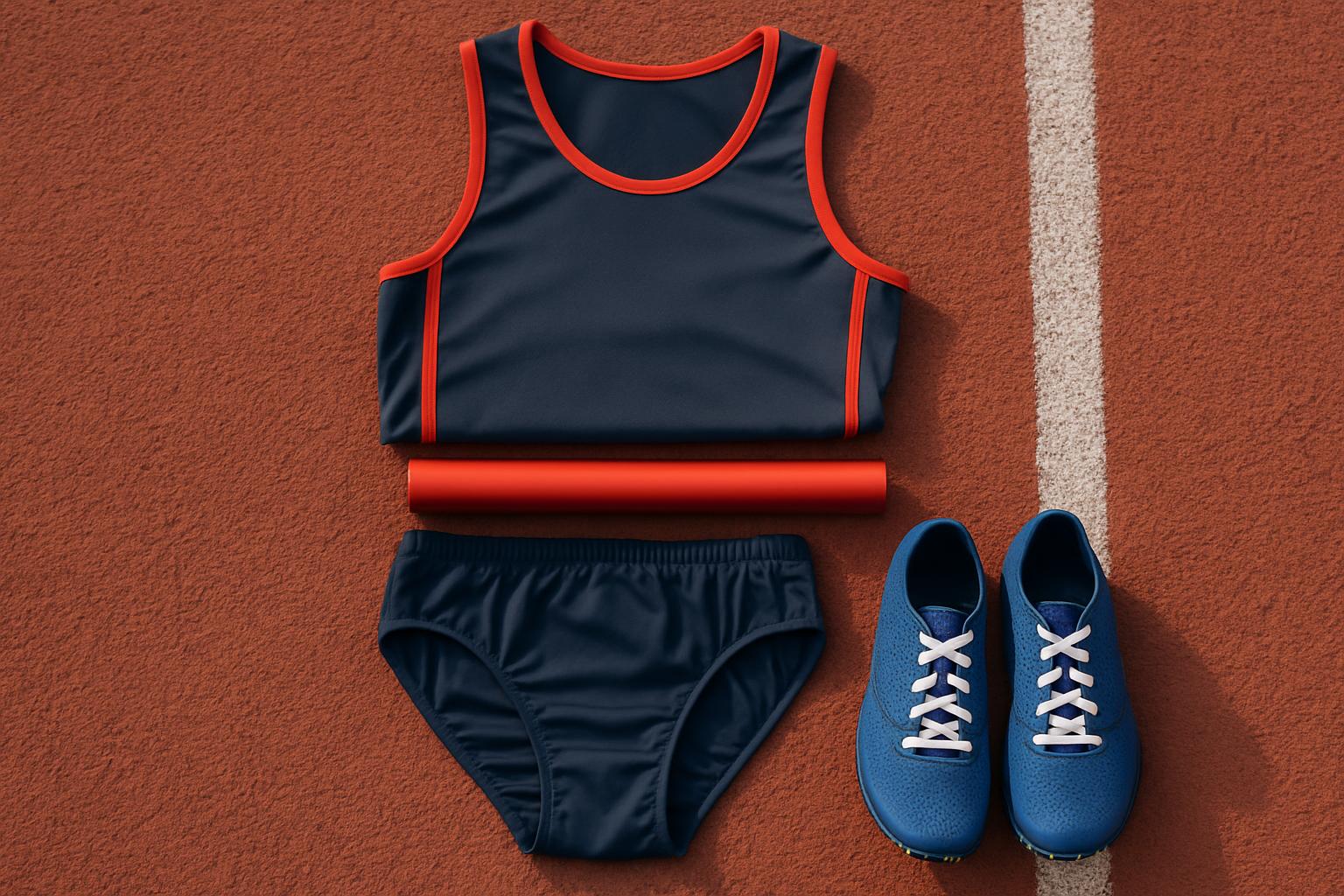
Across the market, a custom track singlet and bottoms set for a high school or club program commonly lands in these rough per-athlete ranges. Treat them as budgeting guardrails, not a quote — your real number depends on brand, decoration, and how many you order. Warm-ups, spikes, and relay extras are not included.
| Tier | What you get | Rough per-athlete range* |
|---|---|---|
| Budget | Quality non-branded singlet and briefs or shorts, screen-print or heat-transfer team name and numbers | ~$40–65 |
| Mid | Stock branded singlet and bottoms, decorated lettering | ~$65–95 |
| Premium | Fully custom sublimated singlet with color-blocking and matching bottoms | ~$95–130+ |
*General market ranges to help you plan — not NSA pricing. Final cost varies by brand, decoration, quantity, and season. Get a quote for a real number.
What actually drives the price
Four levers move a track uniform quote more than anything else.
1. Top and bottom construction
Stock singlets with applied lettering cost the least and suit JV and frosh/soph rosters. Full custom cut-and-sew styling with sublimated graphics costs more but gives varsity a distinct look. Our track & field uniform buying guide covers fabrics, fit, and the briefs-versus-shorts decision in more depth.
2. Decoration: screen print vs. sublimation
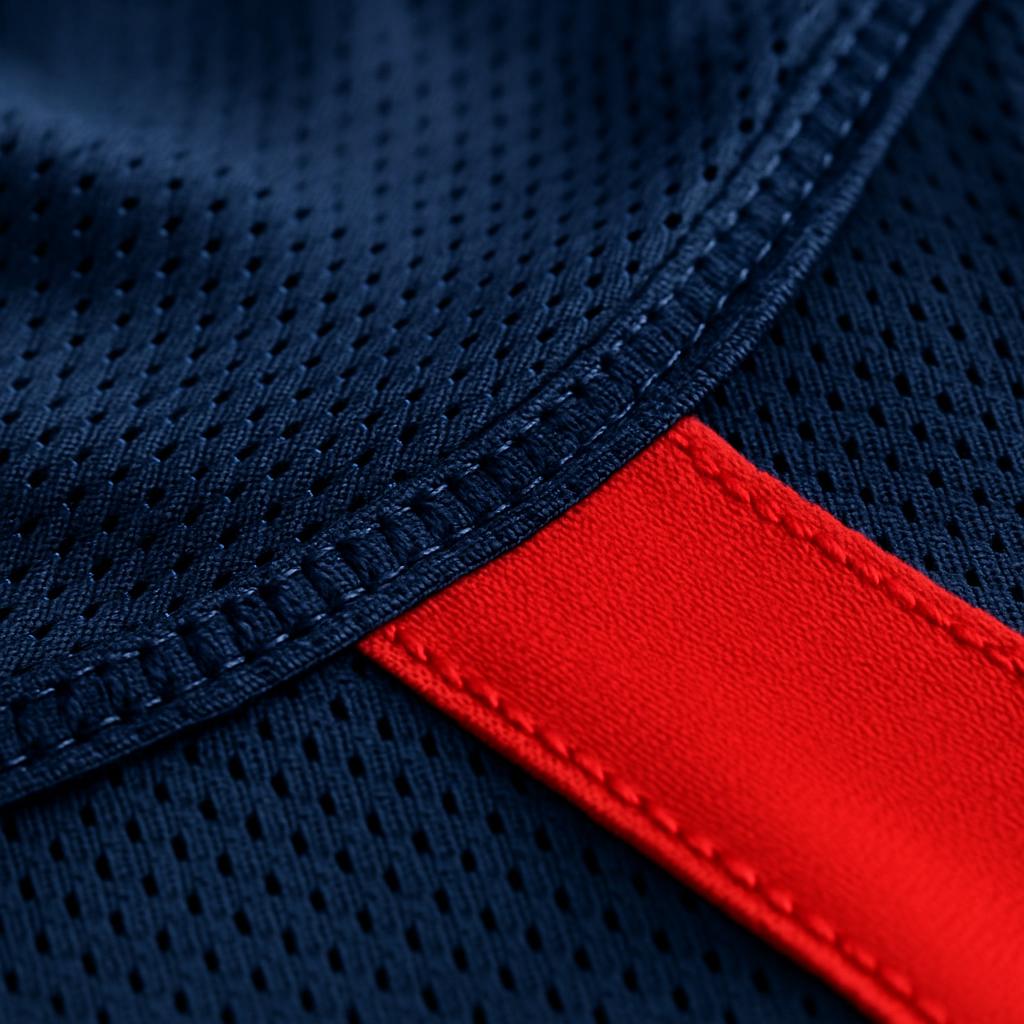
Screen print and heat-transfer lettering are the cheapest way to decorate a stock singlet. Sublimation puts unlimited color, gradients, and sponsor marks into the fabric without per-color charges, which is why most premium sets use it — the tradeoffs are laid out in our sublimation vs. traditional decoration comparison.
3. Brand
Quality non-branded lines deliver a sharp, NFHS-legal set for less. Adidas, Under Armour, and New Balance team lines sit higher and bring deeper template libraries. Because a dealer quotes several, you compare value instead of guessing.
4. Quantity & minimums
Bigger orders lower the per-unit price, and track rosters are often among the largest in a school. Watch minimums, too: many suppliers require 8–20 pieces per design. National Sports Apparel has no minimums, so a small order and a full boys-and-girls program are both fine.
Two track-specific line items
Relay-matching extras
Under the NFHS track and field uniform rule, every member of a relay team must wear the same color and design of uniform; only the length of the bottom may vary. Order a few extra matching sets for your 4x100 and 4x400 squads and alternates, and confirm the current season's rule with your CIF section before finalizing art.
Mixed-event sizing and bottoms
Sprinters, distance runners, jumpers, and throwers often want different bottoms — briefs, compression shorts, or looser shorts — and sizes span a wider range than in most sports. Ask for tops and bottoms as separate lines so each event group gets the right fit, and use our sizing hub to get the roster right the first time.
The costs teams forget to budget
- Relay and alternate sets — matching extras so a scratched athlete doesn't break a relay uniform.
- Warm-up jackets and pants — often the second-biggest line after the race uniform, especially for cold early-season meets.
- Separate bottoms for throwers and jumpers — looser cuts priced as their own line.
- Late roster additions — track rosters grow after the season opens, so hold a small buffer of sizes.
- Spirit wear — a team store can turn fan and parent apparel into a fundraiser instead of a program expense.
How to lower the cost without looking cheap
- Mix tiers by squad — varsity in a premium sublimated set, JV and frosh/soph in decorated stock singlets from the same color family (relay squads still need matching sets).
- Order early — custom orders typically run 6 to 10 weeks, and an October or November order avoids the winter rush before late-February meets.
- Bundle uniforms, warm-ups, and spirit wear into one order instead of several purchase orders.
- Ask for both a branded and a non-branded quote and compare value side by side.
Our team store fundraising guide walks through the earnings math if boosters want spirit-wear sales to offset the budget. Browsing options first? Start on our track & field page.
Get a real number, not a guess
Ranges are for planning; a quote is for deciding. A team dealer prices your exact roster across brands and decoration methods so you see real options before the season opens. We've outfitted California programs since 2009, quote branded and non-branded together, and have no order minimums.