Which is better for a high school baseball program, Adidas or Under Armour?
It depends on the jersey construction you want, how your three rosters fit, and which template library you like. Both are premium team programs we carry in full, so neither is the default — and for a traditional full-button look, Rawlings deserves a spot on the shortlist too. Use the sections below for construction, fit, templates, and price, then quote the brands against your actual roster.
Mid-November is when California baseball programs are placing orders for a February season, and the brand question usually comes up right as the purchase order is being written. Adidas and Under Armour are both licensed team programs we carry alongside Rawlings — so we have no reason to steer you toward one over the other. Here's the honest, brand-neutral breakdown we'd give a coach or athletic director who called us today.
You're inside the ordering window right now
Our spring order-deadline guide works the math: custom baseball uniforms typically take 6 to 10 weeks from approved artwork to delivery, and CIF Southern Section's published 2026-27 calendar lists a February 8, 2027 first contest for baseball. Counting back 10 weeks lands near November 30, so mid-November is the target and the end of the month is the last comfortable date before holiday production queues lengthen. If you're reading this without a brand decision, make it this week, not after Thanksgiving. Other sections run their own calendars — confirm your first-contest and practice dates with your section before locking a delivery deadline.
Where the two brands actually differ
Above the budget/non-branded tier, the gap between Adidas and Under Armour isn't quality — both are legitimate performance brands worn at the high school, college, and professional level. What moves a baseball decision is fit philosophy, sizing range across varsity, JV, and freshman rosters, and how much design freedom each brand's sublimated baseball line gives you.
| Factor | Adidas | Under Armour |
|---|---|---|
| Fit approach | Traditional athletic cut, broad stock size run (helps a program sizing three rosters at once) | Compression-mapped, closer athletic fit |
| Custom templates | Deep sublimation template library, strong for pinstripe and piping treatments | Strong templates, slightly narrower range |
| Fabric feel | Established performance knit | Lighter game-day weights, known for moisture control |
| Beyond the jersey | Team bags, socks, and spirit wear from the same catalog | Compression, batting-practice tops, and training wear from the same catalog |
| Best fit for | Programs that want maximum design flexibility and a wide size run | Programs prioritizing a tighter, more tailored silhouette |
A program outfitting a freshman roster that will grow mid-season alongside a varsity roster of fully grown seniors often leans on the wider stock size run. A program that wants a modern, tailored athletic look often leans Under Armour. Neither is the "correct" choice — it's a fit and design preference, not a quality gap.
Jersey construction matters more than the brand
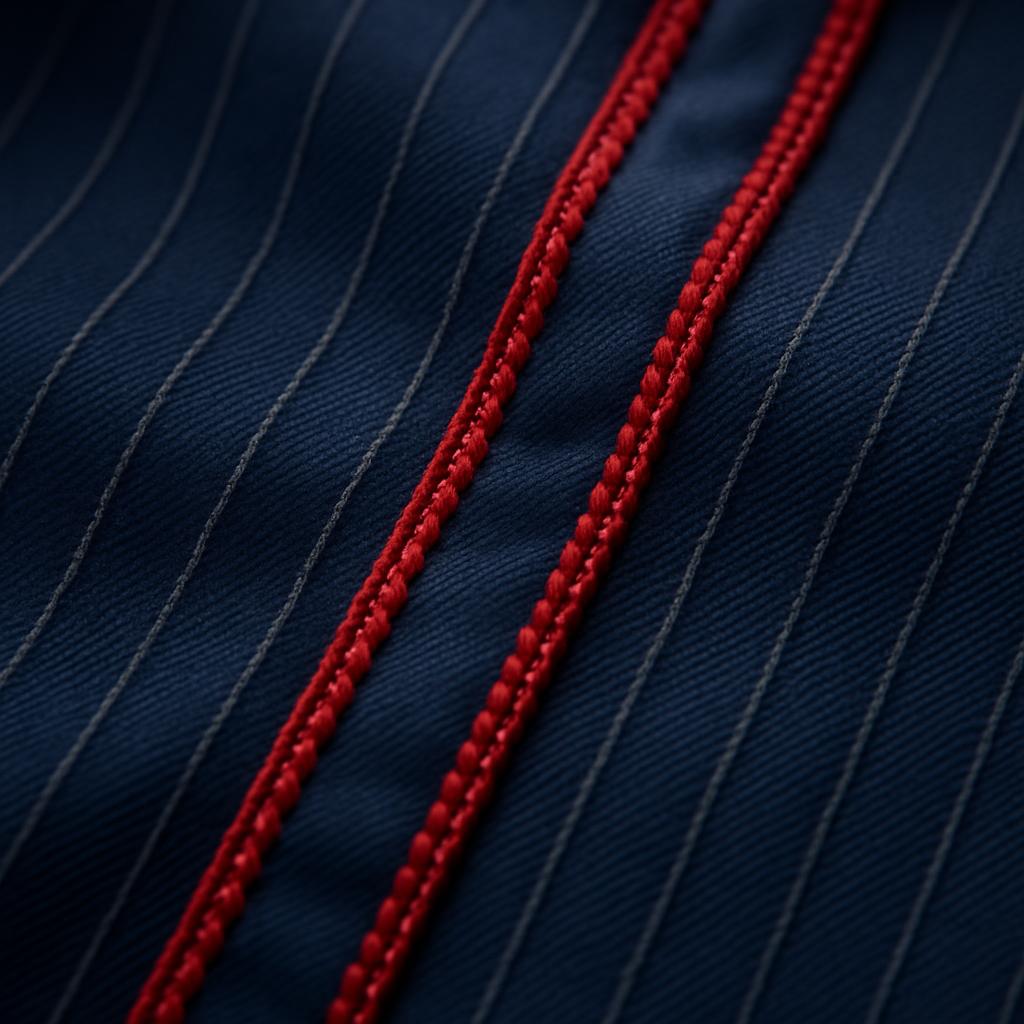
Baseball is unusual in that the jersey cut shapes the whole order. As our baseball uniform buying guide explains, programs choose between a traditional full-button jersey, a two-button placket pullover, or a full pullover with no buttons, and each reads differently with pinstriping, piping, and number placement. Both Adidas and Under Armour build sublimated jerseys in these constructions, and both pair them with matching pants and batting-practice tops. Decide construction first, then compare how each brand's templates handle it — a full-button varsity look and a pullover freshman set are two different design conversations, whichever logo is on the sleeve.
Where another option wins: Rawlings and non-branded
An honest comparison has to admit that Adidas and Under Armour aren't the only answer on a baseball field. Rawlings is a baseball-specific brand, and programs that want a classic full-button heritage look often start there. Adidas and Under Armour earn their place when a department wants one performance brand across several sports, deeper sublimation design freedom, or performance fabric that crosses over into training and spirit wear. For a JV or freshman roster that goes through pants and jerseys fast, a quality non-branded set at a lower cost per player is frequently the smarter buy. We carry all of these side by side, which is the only way a quote comparison means anything.
Price: brand matters less than you'd think
A common assumption is that one brand is flatly cheaper — in practice, the quote is driven far more by jersey construction, decoration method, roster size, and whether pants, caps, belts, and practice tops ride on the same purchase order than by the Adidas-vs-UA choice alone. See our baseball uniform cost guide for per-player planning ranges across budget, mid, and premium tiers, and get both brands quoted against your exact roster before assuming either one is the budget option.
Practical tip: ask for the pants line separately. Baseball pants take more sliding and fielding wear than any other uniform piece we sell, and a spare-pants reserve changes the per-player math more than the brand logo does.
The NFHS rules apply the same to both
Under NFHS baseball rules, every player needs a number on the back of the jersey in plain digits at least 8 inches high, in a solid color that contrasts with the shirt, and a pitcher's exposed undershirt sleeves can't be white or gray. These are design-proof checks, not brand considerations — a stylized sublimated number can go out of spec on an Adidas or an Under Armour template just the same. NFHS has also announced baseball rule updates that take effect in 2027, including uniform language, so ask your section which rules govern the season you're ordering for and confirm the current season's rule before finalizing artwork.
Mixing brands on one program
You don't have to standardize on one brand for the whole program. Some schools run one brand for varsity and the other for JV and freshman, or match whatever brand the rest of the athletic department already wears so colors stay consistent across sports. What we'd steer away from is mixing brands within the same visible game set — jerseys and pants from different brands can have slightly different cuts, piping placement, and color reproduction, which shows in a dugout photo and under stadium lights.
How to decide before the calendar closes in
- Pick the jersey construction first. Full-button, two-button, or pullover drives the design and the price more than the brand does.
- Try sizing samples on all three rosters. A varsity-only fit session misses the freshman players who will grow before May.
- Price Adidas, Under Armour, and Rawlings against the same roster. A single-brand quote tells you nothing about value — include pants, caps, and practice tops in each.
- Lock the order by the end of November. If you're past that, ask your rep for a real delivery date in writing and consider a stock or screen-printed option for the lower squads.
Working with a dealer that carries all three
A dealer that sells one brand has a built-in incentive to steer you toward it. At National Sports Apparel we carry full team catalogs from Adidas and Under Armour, plus Rawlings, New Balance, and Richardson caps, so our job is matching your program to the right construction, fit, and budget — not the brand that pays us more. We've outfitted California high school, club, and college baseball programs since 2009, with no order minimums for a full three-roster order or a spring call-up reorder.